
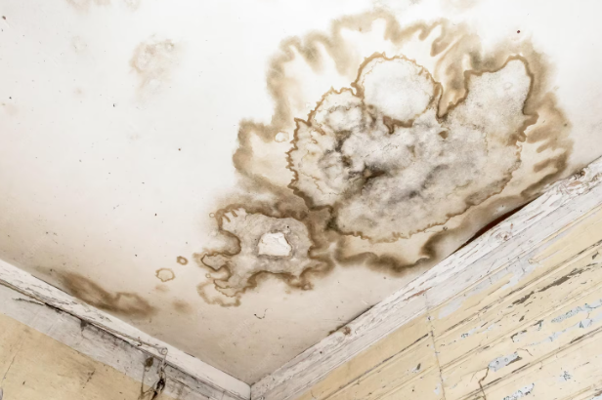
Water damage can develop quickly and sometimes without much warning. A burst pipe, leaking appliance, roof problem, overflowing fixture, or storm-related intrusion can leave floors, walls, furniture, and other materials exposed to moisture. What initially appears to be a manageable puddle may also extend into areas that are difficult to see.
For Fort Worth property owners, the first few actions after discovering water damage can influence how complicated the cleanup becomes. Effective water damage restoration is not simply about removing visible water. It involves identifying the source, addressing safety concerns, finding hidden moisture, drying affected materials, and determining what can reasonably be restored.
Identify Where the Water Is Coming From
Before beginning cleanup, try to determine the source of the water without putting yourself at risk. If a supply line or plumbing fixture is leaking and the appropriate shutoff valve can be reached safely, stopping the flow can prevent additional damage.
The situation becomes different when water is entering because of severe weather, sewage, or an unknown source. In these circumstances, avoid unnecessary contact until the potential hazards have been assessed.
Stopping new water from entering the property is generally the first priority. Extraction and drying will have limited value if the source remains active.
Put Safety Before Property Cleanup
Standing water can create hazards that are not immediately visible. Electrical outlets, appliances, extension cords, or wiring may have been exposed to moisture. Wet ceilings and saturated building materials can also become unstable.
Do not enter an area containing standing water when there is a possibility of electrical contact. If necessary, contact appropriate professionals before accessing the space.
The type of water matters as well. Water from a clean supply line presents different concerns from sewage, floodwater, or water containing unknown contaminants. Protective measures and cleanup procedures should reflect the source.
Document the Damage Early
Once the area can be approached safely, photograph and record the condition of the property. Capture wide images of affected rooms as well as closer views of damaged flooring, walls, furniture, appliances, and personal belongings.
Documentation can help establish what the property looked like before cleanup and repairs began. Property owners may also want to contact their insurance provider promptly to understand reporting procedures and what information is required.
Keep records of relevant conversations, invoices, temporary repairs, and other expenses associated with the incident. Organized documentation can make later discussions much easier.
Remove Standing Water Promptly
Once safety concerns have been addressed and the source has been controlled, standing water should be removed as soon as practical. The longer materials remain wet, the greater the possibility of swelling, staining, deterioration, and other secondary problems.
The appropriate extraction method depends on the amount and source of water. A small clean-water incident may be manageable with basic equipment, while substantial water accumulation usually requires professional extraction tools.
Removing visible water, however, is only the beginning. Materials can remain wet even when the floor looks dry.
Check for Moisture You Cannot See
Water can move beneath flooring, behind baseboards, inside wall cavities, and into insulation. Carpet may feel almost dry on the surface while the pad underneath remains saturated.
Moisture assessment is therefore an important part of the restoration process. Professionals may use moisture meters and other detection tools to identify areas requiring further drying.
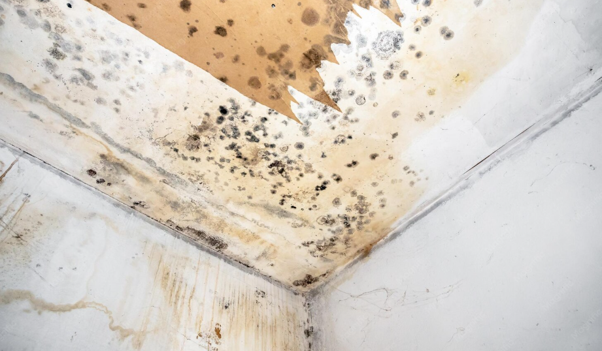
Ignoring hidden moisture can lead to damaged finishes, unpleasant odours, deterioration of building materials, and microbial growth. A room should not be considered dry based only on appearance.
Begin Controlled Drying
After extraction, drying equipment may be used to reduce remaining moisture. Depending on the situation, this can include air movers and dehumidifiers positioned according to the affected space and materials.
Opening windows is not automatically the best drying strategy. Outdoor humidity and weather conditions can influence whether introducing outside air helps or slows the process.
Drying should continue until affected materials reach appropriate moisture levels. This is another reason objective measurements can be more useful than simply touching a surface and deciding that it feels dry.
Decide What Can Be Saved
Water exposure does not mean every affected item must be thrown away. Some furniture, flooring, structural materials, and personal belongings may be suitable for cleaning and drying.
Other materials may need removal because of contamination, physical deterioration, or prolonged saturation. Porous materials exposed to unsanitary water require particularly careful evaluation.
Making these decisions early can help focus restoration efforts on items that can realistically be recovered while removing materials that could interfere with proper cleaning and drying.
Watch for Signs of Ongoing Moisture
Even after the obvious water is gone, continue watching the affected area. Musty smells, discolouration, bubbling paint, warped flooring, soft drywall, or recurring dampness can suggest that moisture remains or that the original source has not been fully corrected.
Do not cover these signs with paint, new flooring, or other finishes before investigating them. Cosmetic repairs made over damp materials can conceal the problem rather than resolve it.
A final moisture check before reconstruction can provide greater confidence that the affected area is ready for repair.
Conclusion
The first response to water damage in a Fort Worth property should be organized around safety, source control, documentation, extraction, and thorough drying. Removing what can be seen is important, but identifying moisture that has travelled into walls, floors, or other concealed areas is equally critical.
Acting promptly can limit unnecessary secondary damage and create a clearer path toward repairs. By addressing both the visible incident and the moisture left behind, property owners can move from an unexpected water emergency toward a properly dried and restored space.