
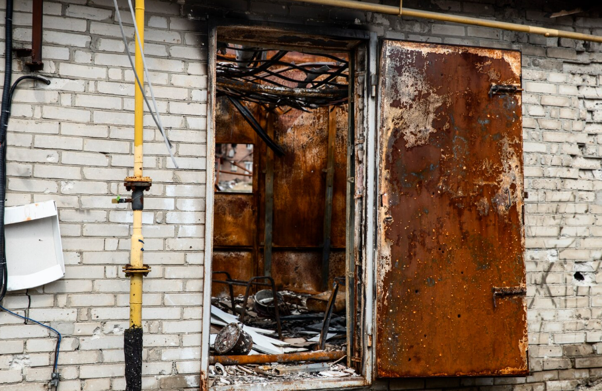
A fire can leave behind more than burned materials. Smoke may travel into rooms untouched by flames, soot can settle across surfaces, and the water used to suppress the fire may soak flooring, walls, insulation, and personal belongings. For property owners, this combination can make the recovery process more complicated than the visible damage initially suggests.
Understanding how professional fire damage restoration Fort Worth TX work is typically approached can make the days following an incident easier to navigate. Rather than treating fire, smoke, and water as separate problems, a restoration plan should consider how each has affected the building and what needs to happen before repairs begin.
Start With a Complete Damage Assessment
Before cleanup starts, the property needs to be evaluated. Fire can weaken building materials, damage electrical components, and leave sections of a structure unsafe to enter. Water can introduce additional concerns, particularly around ceilings, floors, and electrical systems.
Property owners should wait until the appropriate authorities have determined that entry is permitted. A restoration assessment can then identify the areas affected by direct flames, heat, smoke, soot, and water.
This initial evaluation helps establish priorities and reduces the chance that less visible damage will be overlooked.
Why Fire and Water Damage Often Occur Together
When firefighters suppress a structural fire, significant amounts of water may enter the property. That water can spread beyond the room where the fire originated, travelling beneath flooring or into wall cavities.
As a result, restoration may need to begin with water extraction even though fire caused the original emergency. Saturated materials can deteriorate if they remain wet, while trapped moisture may contribute to microbial growth.
Removing standing water and assessing hidden moisture early allows other restoration work to proceed under better conditions.
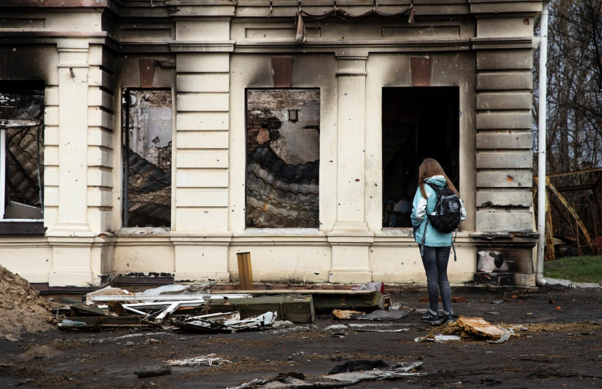
Smoke Can Reach Areas the Flames Never Touched
Smoke does not remain neatly contained within the burned portion of a building. It can travel through doorways, gaps, stairwells, and HVAC pathways before settling on surfaces elsewhere.
A bedroom or office may therefore have little visible fire damage but still contain smoke residue or persistent odours. Cabinets, fabrics, upholstery, ceilings, and wall surfaces may all require assessment.
Simply cleaning the most visibly damaged room may leave contamination elsewhere. Restoration planning should consider how smoke moved through the property during the incident.
Soot Requires the Right Cleaning Approach
Soot can vary depending on what burned and the conditions of the fire. Some residues are dry and powdery, while others may be oily or difficult to remove. Using the wrong cleaning technique can spread staining rather than eliminate it.
Property owners should be cautious about aggressively wiping soot-covered walls, ceilings, or furniture before the residue has been assessed. Household cleaners are not appropriate for every surface.
Professional cleaning methods may vary between painted walls, wood, metal, textiles, masonry, and other materials. Matching the method to the affected material can improve the chances of successful restoration.
Drying Should Happen Before Cosmetic Repairs
A room can appear ready for repairs while moisture remains beneath flooring or behind walls. Installing new finishes too early may trap moisture inside the building assembly.
Restoration teams may use extraction equipment, air movers, dehumidifiers, and moisture meters to manage the drying process. Materials that cannot be dried or safely restored may need removal.
Drying should be verified rather than assumed. Once appropriate moisture levels have been reached, reconstruction and finishing work can proceed with greater confidence.
Decide What Can Be Cleaned and What Must Go
Not every item exposed to a fire has to be discarded. Depending on the severity of the incident, some furniture, hard-surface belongings, textiles, and structural materials may be suitable for cleaning and restoration.
Other items may be too badly burned, contaminated, or water-damaged to retain. The decision depends on the material, degree of exposure, and practical ability to clean or repair it.
Food, medicines, cosmetics, and similar products exposed to smoke, heat, or contaminated water require particular caution. When there is uncertainty about their safety, appropriate professional guidance should be followed.
Keep a Detailed Record for Insurance Purposes
Documentation should begin as soon as the property can be approached safely. Take photographs and videos showing both broad room views and individual damaged items.
Create an inventory where practical and keep receipts for emergency services, temporary accommodation, protective work, and other relevant expenses. Avoid disposing of damaged property before documenting it unless immediate removal is required for safety.
Property owners should also speak with their insurer about claim procedures and policy requirements rather than assuming every type of restoration or replacement will automatically be covered.
Prevent Additional Damage While Repairs Are Pending
Fire can leave a property exposed to weather and unauthorized entry. Broken windows, damaged doors, roof openings, and weakened exterior materials may require temporary protection.
Boarding openings and placing temporary roof coverings can help secure the structure while restoration work is organized. Any temporary work should be performed with structural safety in mind.
The objective is not to complete permanent repairs immediately but to prevent a damaged property from becoming more severely affected while assessments, insurance discussions, and restoration planning continue.
Moving From Restoration to Reconstruction
Once water, smoke residue, soot, and unsalvageable materials have been addressed, reconstruction can begin. The scope may range from replacing drywall and flooring to repairing roofing, cabinetry, electrical components, or structural sections.
A documented scope of work can help property owners understand what will be cleaned, repaired, or replaced. It also creates a clearer sequence for contractors and other professionals involved in the project.
Recovery is easier to manage when each stage is completed in the correct order rather than rushing directly toward cosmetic improvements.
Conclusion
Fire and water damage can affect a Fort Worth property in several interconnected ways. Flames may create the most obvious destruction, but smoke migration, soot deposits, firefighting water, and hidden moisture can significantly expand the restoration work required.
A structured response should begin with safety and assessment before progressing through water removal, drying, cleaning, documentation, and reconstruction. Addressing each type of damage systematically can help property owners avoid overlooking hidden problems and move toward restoring the building safely and effectively.