
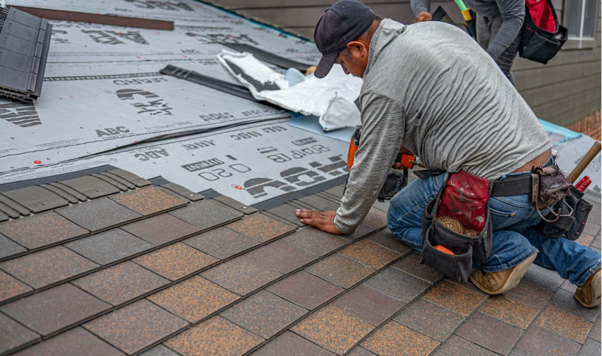
A sudden roof failure can turn an ordinary day into a stressful situation. Strong winds may remove shingles, hail can damage roofing materials, and unexpected leaks can leave ceilings and walls exposed to water. For homeowners in Coppell, where severe thunderstorms can develop quickly, knowing how to respond is essential.
Roof emergencies require more than quick repairs. Protecting occupants, reducing water intrusion, and identifying structural problems are equally important. Understanding the correct steps can help homeowners prevent additional damage while arranging professional assistance.
Recognize a Roofing Emergency
Not every roofing problem requires immediate intervention. However, certain conditions can threaten the safety of a building or allow substantial damage to develop.
Common warning signs include missing roofing sections, water entering living spaces, exposed roof decking, and visible sagging. Fallen tree branches or damaged flashing may also create openings that allow rainwater to penetrate the structure.
Professional Emergency Roof Repair Coppell TX services address urgent roofing conditions through damage assessments, temporary protection, and necessary repairs. Early intervention can reduce the likelihood of moisture spreading into insulation, drywall, and interior furnishings.
Put Safety Before Property Protection
When roofing damage occurs during a storm, personal safety should always come first. Attempting to inspect a roof while surfaces are wet or winds remain strong creates unnecessary risks.
Homeowners should stay away from rooms beneath visibly damaged or sagging roof sections. If water approaches electrical fixtures, avoid touching affected equipment and contact a qualified electrician when necessary.
Never climb onto a damaged roof to investigate a leak. Even sections that appear stable may have weakened decking or concealed structural problems.
If a roof shows signs of collapse or a tree has struck the building, occupants should leave the affected area and seek emergency assistance.
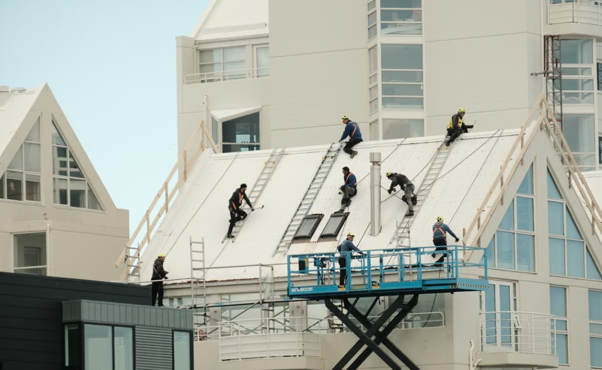
Take Steps to Limit Interior Damage
Once everyone is safe, homeowners can take simple measures to reduce additional damage without attempting dangerous repairs.
The objective is to protect belongings and prevent standing water from spreading while waiting for qualified restoration professionals.
Useful immediate actions include:
- Move valuables: Relocate electronics, documents, and furniture away from leaks.
- Collect dripping water: Position containers beneath minor leaks when safe.
- Protect furnishings: Cover unaffected belongings with waterproof materials.
- Document damage: Photograph visible problems from safe locations.
- Avoid damaged ceilings: Keep clear of bulging or waterlogged drywall.
These precautions cannot replace professional roofing repairs, but they may help minimize secondary damage.
Understand Temporary Roof Protection
Emergency roof repair often begins with stabilization rather than permanent reconstruction. The immediate goal is to prevent additional rainwater from entering the property.
Professional roof tarping can provide temporary protection over damaged shingles, exposed decking, or storm-created openings. Depending on the situation, contractors may also secure loose materials and address unstable components.
Temporary protection is particularly valuable when weather conditions prevent permanent repairs from beginning immediately.
However, tarping should not be mistaken for a complete solution. Once conditions improve, the roofing system needs a thorough inspection to determine the appropriate long-term work.
Check for Hidden Water Damage
A roof leak may affect more than the visible ceiling stain. Water can travel along rafters, insulation, and framing before appearing inside a room.
This movement makes it difficult to identify the full extent of damage through visual inspection alone.
Moisture assessments may reveal affected insulation, damp wall cavities, or water accumulation in attic spaces. Addressing these problems promptly helps reduce deterioration and the potential for microbial growth.
When significant interior moisture is present, roofing contractors and water damage restoration professionals may need to coordinate their work.
Decide Between Repair and Replacement
Following the emergency inspection, homeowners must determine whether localized repairs will restore the roof’s protective function.
A small area of damaged shingles may be repairable if the surrounding materials and roof decking remain sound. Extensive storm damage, deteriorated underlayment, or compromised structural components may require more substantial work.
Roof age, material condition, and the availability of compatible replacement products also influence the decision.
A reliable assessment should explain the observed damage and the reasons behind the recommended repair or replacement strategy.
Keep Insurance Documentation Organized
Storm-related roofing damage may be covered under a homeowner’s insurance policy, depending on its terms, exclusions, and deductibles.
Before permanent repairs begin, homeowners should document visible damage, preserve relevant photographs, and retain receipts for reasonable emergency protection expenses.
It is also helpful to request a written inspection report and itemized repair estimate.
Homeowners should notify their insurer promptly and follow applicable claim procedures. They should avoid authorizing extensive work without understanding the scope, pricing, and insurance implications.
Reduce Future Roofing Risks
Although severe weather cannot be prevented, routine maintenance can make roofing problems easier to identify before emergencies occur.
Periodic professional inspections can reveal loose shingles, deteriorating flashing, damaged sealant, and drainage issues. Keeping gutters clear also helps rainwater move away from vulnerable roof edges.
After major storms, homeowners should inspect their properties from the ground and arrange professional evaluations when damage is suspected.
Maintenance cannot guarantee protection against extreme weather, but it supports better long-term roof performance.
Conclusion
A sudden roofing failure demands a calm, safety-focused response. Protecting occupants, limiting interior water damage, arranging temporary stabilization, and documenting the incident can make recovery more manageable. Permanent repairs should address both visible damage and underlying structural concerns. Homeowners seeking information about emergency roof protection, storm damage assessment, and professional restoration services in Coppell can explore dfwretx.com. Taking appropriate action early helps protect the property while creating a clearer path toward safe, lasting repairs.