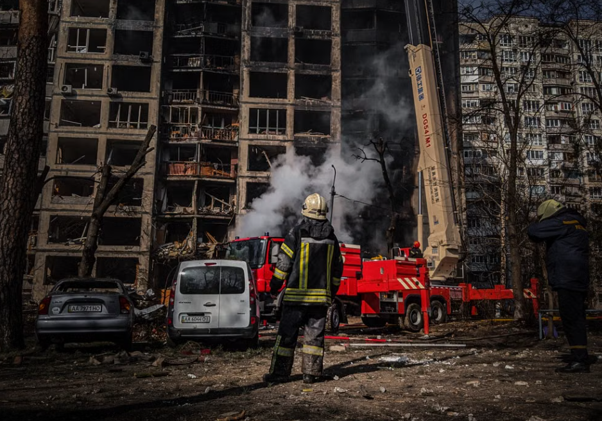
The flames may be extinguished, but the damage left behind can continue affecting a property long afterward. Smoke particles settle into furnishings, soot coats surfaces, and water used during firefighting can soak into floors and walls. Even rooms untouched by flames may require extensive cleaning.
For Dallas property owners, fire recovery involves several connected stages rather than a single cleanup operation. Understanding what happens after emergency responders leave can make restoration decisions easier and help prevent overlooked damage.
Assess the Property Before Cleanup
The first step after a fire is determining whether the building is safe to enter. Heat can weaken structural components, while damaged electrical systems and unstable ceilings may create serious hazards.
Property owners should wait until the fire department or appropriate authorities permit entry. Even then, some areas may remain unsafe until qualified professionals complete additional inspections.
Initial assessments generally examine structural damage, smoke contamination, standing water, and affected building materials.
These findings help determine which areas require immediate stabilization and what additional inspections may be necessary before restoration begins.
Address Immediate Restoration Needs
Once access is authorized and hazards have been assessed, attention shifts toward preventing further deterioration.
Professional Dallas Fire Damage Restoration services can involve emergency board-up, debris removal, smoke and soot cleaning, odor treatment, and reconstruction. The appropriate response depends on the extent of the damage and the building’s condition.
Emergency stabilization may include securing damaged doors and windows or protecting exposed roofing sections.
These measures help safeguard the property while detailed restoration planning takes place. They also reduce exposure to weather and unauthorized entry during recovery.
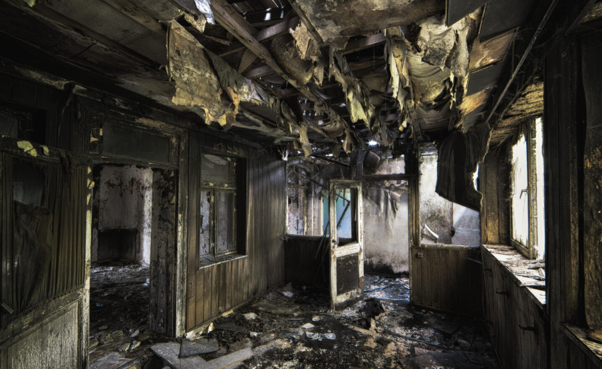
Understand Smoke and Soot Damage
Smoke damage is not limited to visibly burned rooms. Air movement can carry particles through hallways, ventilation systems, and openings around doors.
Soot may settle on walls, ceilings, electronics, and household belongings. Different materials react differently to contamination, making proper cleaning methods important.
For example, porous surfaces can absorb smoke residues, while certain metals and finishes may experience discoloration or corrosion.
Household cleaning products are not always suitable for fire residues. Improper wiping can spread contamination or permanently embed particles into delicate materials.
Manage Water Left Behind
Water damage is a frequently overlooked consequence of fire emergencies. Firefighting activities may leave substantial moisture inside carpets, insulation, flooring, and wall cavities.
If moisture remains trapped, building materials can deteriorate even after visible standing water has been removed.
Restoration professionals may use extraction equipment, air movers, dehumidifiers, and moisture measurements to manage affected areas.
The drying process should be based on the materials involved and the conditions inside the building. Simply opening windows or using household fans may not adequately dry concealed spaces.
Evaluate Damaged Personal Belongings
Furniture, clothing, documents, and personal items often require separate attention during fire restoration.
Some belongings can be cleaned and restored, while others may be too severely damaged or contaminated to recover safely. Decisions should consider material composition, exposure conditions, and the practicality of restoration.
Property owners can organize the process by separating items into categories:
- Potentially restorable: Furniture and objects suitable for specialist cleaning.
- Water-affected: Belongings requiring drying and moisture assessment.
- Heavily contaminated: Items needing professional evaluation.
- Irreplaceable: Photographs, documents, and sentimental possessions.
- Beyond recovery: Materials that cannot be safely restored.
Detailed inventories and photographs also support insurance documentation and help owners track items throughout the restoration process.
Remove Persistent Smoke Odors
Smoke odors can remain long after visible soot has been removed. This happens because odor-producing compounds may penetrate porous materials and concealed building spaces.
Effective treatment begins with identifying and removing contaminated materials that cannot be adequately cleaned.
Depending on the circumstances, restoration specialists may use controlled cleaning procedures, appropriate air filtration, and specialized deodorization methods.
Odor treatments should not substitute for contamination removal. Masking smells with fragrances may temporarily improve the environment without addressing the underlying source.
Rebuild Damaged Structural Areas
After cleaning, drying, and necessary remediation are completed, reconstruction may begin.
Depending on fire severity, this stage can involve replacing drywall, insulation, flooring, roofing materials, or damaged framing. Electrical, plumbing, and mechanical systems may also need assessment and repair by qualified professionals.
Reconstruction should comply with applicable building requirements and necessary permits.
Before concealed spaces are closed, contractors should verify that relevant structural repairs, system inspections, and moisture-related work have been completed.
This approach helps prevent unfinished problems from becoming hidden behind new finishes.
Plan Insurance and Recovery Decisions
Fire restoration can involve several estimates, contractors, and insurance discussions. Organized documentation makes the process easier to manage.
Property owners should retain photographs, emergency service records, written estimates, invoices, and inventories of damaged belongings.
It is important to review insurance coverage carefully, including provisions concerning temporary accommodation, personal property, and reconstruction costs.
Owners should also request a clear work schedule that identifies completed stages, outstanding decisions, and any additional damage discovered during restoration.
Regular communication helps reduce confusion and supports informed decisions throughout the project.
Prepare for Safe Reoccupation
Completing visible repairs does not automatically mean a building is ready for normal use.
Before occupants return, relevant safety concerns should be resolved, including structural integrity, electrical safety, smoke contamination, and remaining moisture.
Final inspections and required approvals may be necessary depending on the extent of reconstruction.
Property owners should also review the completed work, retain warranties and service records, and address unresolved issues before closing the restoration project.
A careful final review helps ensure recovery extends beyond cosmetic improvements.
Conclusion
Recovering from a fire involves emergency stabilization, thorough assessments, specialized cleaning, moisture control, and carefully managed reconstruction. Each stage contributes to restoring the property’s condition and preparing it for safe use. For Dallas homeowners and businesses, understanding this process can make a difficult situation more manageable and support better decisions. Those exploring professional fire cleanup, smoke damage remediation, and reconstruction services throughout the Dallas–Fort Worth area can visit dfwretx.com for information about available restoration solutions.