

A damaged kitchen cannot be safely rebuilt by replacing cabinets and repainting walls alone. Fire, smoke, soot, heat, and water can affect wiring, plumbing, drywall, flooring, appliances, and structural materials. A complete kitchen rebuilds after damage should begin with professional assessment and cleanup, followed by repairs and a planned redesign.
What Should Happen Immediately After Kitchen Damage?
First, make sure the property is safe to enter. After a fire, the fire department may need to clear the building. After water damage, the water supply and electricity may need to be shut off. Do not use wet outlets, appliances, gas lines, or damaged fixtures.
Photograph the room and damaged belongings before cleanup. Avoid discarding items until they have been documented and discussed with the insurer or restoration team.
How Does Fire Damage Kitchen Restoration Work?
Fire damage kitchen restoration addresses more than visible burns. Smoke and soot can move into wall cavities, HVAC systems, cabinets, and nearby rooms. Heat may weaken finishes, deform pipes, and damage electrical components even when flames did not reach them.
The process may include:
- Structural and safety inspection
- Removal of burned or unstable materials
- Soot and smoke residue cleaning
- Odor treatment
- HVAC and duct inspection
- Electrical, plumbing, and gas-line evaluation
- Drying after firefighting water exposure
- Repair or replacement of framing and finishes
Cleaning methods must match the soot type and surface. Incorrect scrubbing can spread oily residue or stain porous materials.
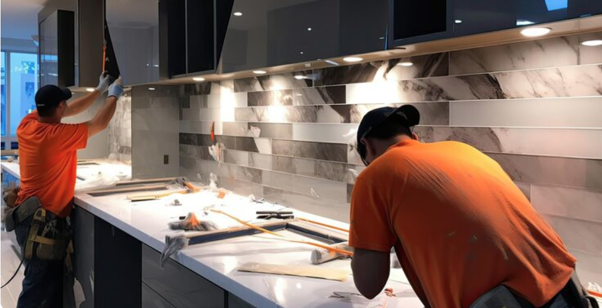
What Is Involved in a Water Damage Kitchen Remodel?
A water damage kitchen remodel begins with finding and repairing the source. Common causes include failed refrigerator lines, dishwasher leaks, burst pipes, sink overflows, roof leaks, and water used during fire suppression.
Professionals inspect cabinets, toe kicks, drywall, flooring, and subflooring for trapped moisture. Swollen particleboard, delaminated flooring, contaminated insulation, and weakened drywall often require removal.
After extraction, the room is dried with air movement and dehumidification. Rebuilding should begin only after moisture levels are acceptable and the affected area has been cleaned.
Which Kitchen Items Can Be Saved?
Salvageability depends on heat exposure, water category, material type, contamination, and duration. Metal, glass, some stone, and certain solid wood components may be restored. Porous items, badly swollen cabinets, heat-damaged appliances, and contaminated insulation are less likely to be reusable.
Appliances should be checked by qualified technicians. A refrigerator, oven, or dishwasher may appear normal while its wiring, controls, or gas connections are compromised.
How Should the New Kitchen Be Designed?
Once the room is safe and dry, the rebuild can improve function as well as appearance. Review the original layout for problems involving traffic flow, storage, lighting, ventilation, and utility access.
Consider adding:
- Water-resistant kitchen flooring
- Plywood cabinet boxes
- Accessible shut-off valves
- Leak sensors near sinks and appliances
- Dedicated electrical circuits where required
- GFCI and AFCI protection under codes
- A properly vented range hood
- Noncombustible protection near cooking areas
- Layered task and ambient lighting
Coordinate cabinets, countertops, appliances, plumbing, electrical work, and ventilation before ordering materials.
How Long Does a Complete Kitchen Rebuild After Damage Take?
A small, contained loss may require targeted repairs. A fire or flood can involve demolition, drying, testing, permits, inspections, custom cabinets, and several skilled trades. The process may take several weeks.
Timing is also affected by insurance approvals, material availability, structural repairs, and layout changes. Final measurements should be confirmed after demolition and structural work.
How Can Homeowners Control Costs?
Separate the restoration scope from optional remodelling upgrades. Restoration covers work needed to make the kitchen safe and functional, while upgrades may include premium countertops, layout changes, or premium appliances.
Request an estimate identifying demolition, cleaning, structural work, mechanical repairs, finishes, permits, and allowances. Keep a contingency fund because hidden damage may appear after walls, cabinets, or flooring are removed.
Frequently Asked Questions
Can smoke odor be removed completely?
Often, yes, but burned materials and residue must be removed or cleaned. Sealing over untreated soot may allow odors to return.
Do all cabinets need replacement after water damage?
No. Solid materials with limited exposure may be restorable. Swollen, delaminated, contaminated, or weakened cabinets generally need replacement.
Can the kitchen layout change during restoration?
Yes. A rebuild is a practical time to improve workflow and storage, provided the plan meets structural, plumbing, electrical, ventilation, and permit requirements.
Should damage appliances be reused?
Only after professional evaluation. Heat, water, soot, and electrical surges can create hidden safety concerns.
Final Takeaway
Successful fire damage kitchen restoration requires more than surface improvements. The room must be inspected, cleaned, dried, repaired, and rebuilt in the correct order. With a coordinated plan, homeowners can complete a safer, more durable kitchen instead of recreating the same vulnerabilities.