
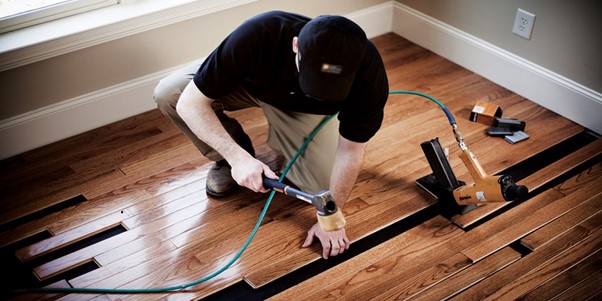
A bathroom remodel after water damage should begin with moisture removal, structural inspection, mold prevention, and repair planning before new finishes are installed. Replacing tile or cabinetry too early can trap moisture behind walls and floors, leading to odors, swelling, mold growth, and repeated damage. The safest approach is to restore the room first and redesign it second.
What Should You Do First After Bathroom Water Damage?
Start by stopping the source of water. This may mean shutting off the main supply, repairing a leaking pipe, replacing a failed toilet seal, or fixing a damaged shower connection. Once the leak is controlled, remove standing water and protect nearby rooms.
Avoid using electrical fixtures in wet areas until a qualified professional confirms they are safe. Photograph the damage, affected materials, and suspected source before cleanup begins. These records may help when speaking with an insurer or restoration contractor.
How Is Water Damage Bathroom Restoration Completed?
Professional water damage bathroom restoration usually follows a clear sequence:
- Moisture inspection: Walls, flooring, ceilings, cabinets, and subfloors are checked with moisture meters or thermal imaging.
- Water extraction: Standing water is removed with professional equipment.
- Controlled demolition: Damaged drywall, insulation, flooring, trim, and cabinetry are removed where necessary.
- Drying and dehumidification: Air movers and dehumidifiers reduce hidden and surface moisture.
- Cleaning and treatment: Affected surfaces are cleaned and treated where microbial growth is a concern.
- Structural repairs: Framing, subflooring, plumbing, and electrical components are repaired before rebuilding.
The bathroom should not be closed up until moisture readings confirm that affected materials are dry.
Which Bathroom Materials Usually Need Replacement?
Absorbent materials often require replacement after prolonged exposure. Drywall, particleboard vanities, MDF trim, insulation, laminate flooring, and some underlayments can swell or break down.
Nonporous materials such as porcelain tile, metal fixtures, glass shower panels, and some stone surfaces may be salvageable if they remain sound and are properly cleaned. However, tile can look intact while the backer board or subfloor beneath it is damaged. A full inspection is more reliable than judging the room by appearance alone.
Can You Improve the Design During Restoration?
Yes. Restoration creates an opportunity to correct weak points in the original bathroom. During a bathroom renovation DFW homeowners can consider better waterproofing, stronger ventilation, durable materials, and easier plumbing access.
Useful upgrades include:
- Cement or foam backer boards in wet areas
- Properly installed waterproofing membranes
- Porcelain or ceramic flooring
- Moisture-resistant paint
- An exhaust fan vented outdoors
- Leak-detection sensors near toilets and vanities
- Accessible shut-off valves
If the previous layout contributed to water problems, changing fixture placement, drainage, or shower design may reduce future risk.
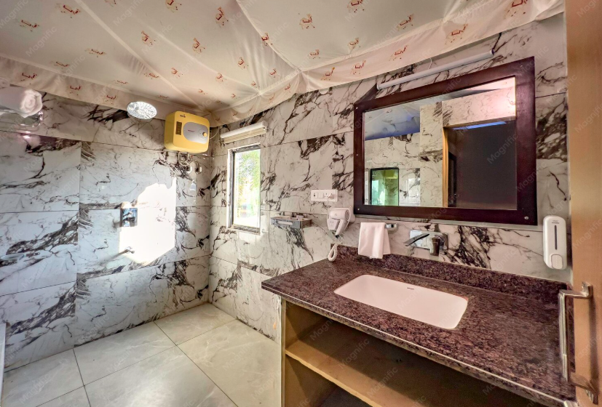
How Long Does a Bathroom Remodel After Water Damage Take?
The timeline depends on the severity of the damage. A small leak with limited drying and cosmetic repairs may be resolved quickly. Extensive damage involving subfloors, framing, mold remediation, plumbing, electrical work, permits, and custom materials can take several weeks or longer.
Drying should never be rushed. Contractors may also need to wait for inspections, insurance decisions, material deliveries, or specialist repairs before rebuilding continues.
How Much Does the Project Cost?
Costs depend on the water source, damaged area, demolition needs, labor, material quality, room size, and design changes. A targeted repair may involve only restoration and replacement of a few finishes. A complete remodel involving structural repair, plumbing, tile, cabinetry, fixtures, and ventilation will cost more.
Ask for a written scope separating emergency restoration, demolition, repairs, and optional upgrades. This helps clarify which work returns the bathroom to its previous condition and which improvements add value.
Frequently Asked Questions
Can I stay home during bathroom restoration?
Often, yes, when the damage is contained and another bathroom is available. Temporary relocation may be recommended when there is contamination, major demolition, electrical danger, or extensive mold.
Does every water-damaged bathroom need mold remediation?
No. Mold risk depends on how long materials stayed wet, the water source, ventilation, and hidden moisture. An inspection can determine whether specialized remediation is needed.
Should all bathroom plumbing be replaced?
Not automatically. However, old supply lines, corroded valves, damaged drains, and poor connections should be replaced while walls and floors are open.
What flooring works best after water damage?
Porcelain and ceramic tile are popular because they resist surface water. Their performance still depends on a sound subfloor, suitable backer board, proper waterproofing, and correctly sealed joints.
Final Takeaway
A successful bathroom remodel after water damage is more than a cosmetic update. It removes moisture, repairs hidden damage, improves waterproofing, and rebuilds the room for long-term use. Completing restoration before design work and choosing durable materials can create a safer, more attractive bathroom with a lower risk of recurring problems.