
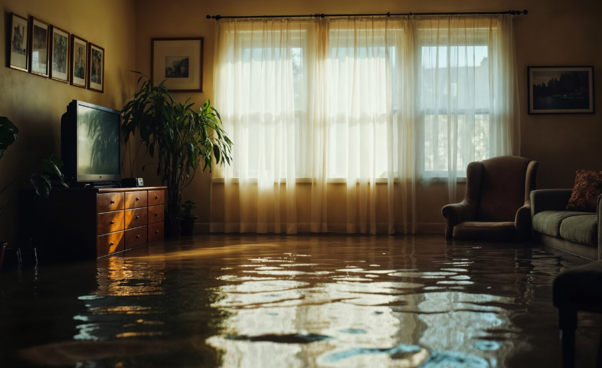
Water damage can begin with something as ordinary as a leaking supply line or malfunctioning appliance and quickly spread into flooring, walls, cabinets, and adjoining rooms. Storm-related water intrusion, plumbing failures, overflowing fixtures, and roof leaks can create similar problems, although each situation may require a different response.
For Irving property owners, acting quickly is important, but speed should not come at the expense of safety. An Irving water damage restoration service can assess the extent of moisture, remove standing water, dry affected areas, and determine which materials can be restored. Before and during that process, property owners can take several sensible steps to limit further problems.
Find and Control the Water Source
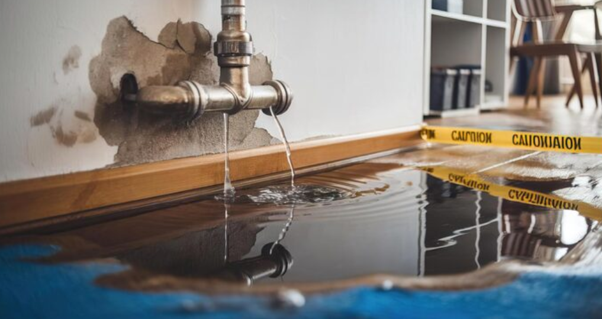
The first question is simple: where is the water coming from? If a broken pipe, appliance connection, or plumbing fixture is responsible, stopping the source can prevent additional water from entering the property.
Use a local or main shutoff valve only when it is safe to reach. If standing water is close to electrical equipment, outlets, or wiring, avoid entering the area simply to shut off the supply.
For roof leaks or storm-related intrusion, temporary measures may eventually be necessary, but climbing onto a wet or damaged roof creates its own hazards. Leave unsafe exterior work to qualified professionals.
Consider What Type of Water Is Involved
Not every water-damage situation presents the same level of contamination. Water from a clean supply line is different from sewage, drain backups, or outdoor floodwater that may have picked up contaminants before entering the building.
Property owners should avoid direct contact with visibly contaminated or unknown water. Children and pets should also be kept away from affected spaces.
The source can influence how materials are cleaned, whether some porous items can be retained, and what protective procedures are appropriate during restoration. Identifying that source is therefore an important part of the initial assessment.
Record the Condition of the Property
Before moving furniture or removing damaged materials, document the affected areas when it is safe to do so. Take wide photographs showing entire rooms, followed by closer images of flooring, walls, cabinets, furniture, and personal belongings.
Videos can also help show how far water has travelled. Note when the incident was discovered and any actions taken to stop the source.
Contact the insurance provider promptly if a claim may be necessary. Coverage varies by policy and cause of loss, so ask about documentation requirements rather than assuming a particular type of damage is covered.
Remove Standing Water Safely
Once the source has been controlled and electrical or contamination concerns have been addressed, water extraction can begin. Removing standing water quickly helps reduce the amount of time building materials remain saturated.
The appropriate approach depends on the scale of the incident. A small amount of clean water may be manageable, while substantial accumulation may require commercial extraction equipment.
Property owners should avoid using ordinary electrical vacuums or other unsuitable equipment in wet areas. Water and electricity are a dangerous combination, even when the hazard is not immediately obvious.
Look Beyond the Visible Puddle
One of the biggest mistakes after water damage is assuming that a dry-looking surface means the problem has ended. Water can move beneath laminate or wood flooring, soak carpet padding, enter drywall, and settle inside wall cavities.
Cabinet bases and insulation can also retain moisture. These concealed areas may not be obvious during a visual inspection.
Restoration professionals may use moisture meters or other detection tools to identify affected materials. Finding hidden moisture early can help prevent deterioration from continuing unnoticed behind finished surfaces.
Dry the Structure, Not Just the Room
After extraction, the focus shifts to drying. Depending on the extent of the incident, air movers and dehumidification equipment may be used to encourage evaporation and remove moisture from the air.
Simply opening windows is not always sufficient. Outdoor humidity and weather conditions can affect how efficiently a space dries.
The process should ideally be guided by moisture measurements rather than guesswork. A wall or floor can feel dry on the surface while deeper layers still contain elevated moisture.
Decide What Can Be Restored
Water exposure does not automatically mean everything in the room must be discarded. Some hard-surface furniture, structural components, and personal belongings may be cleaned and dried successfully.
Other materials can become distorted, weakened, contaminated, or too difficult to dry effectively. Porous materials exposed to unsanitary water generally require more cautious evaluation.
Separating salvageable items from materials that require removal can make the restoration process more organized and prevent unnecessary disposal of belongings that can reasonably be recovered.
Watch for Changes After the Initial Cleanup
Continue monitoring the property even after visible water has been removed. Warped flooring, peeling paint, soft drywall, staining, or a persistent musty smell can indicate that moisture remains.
These warning signs should be investigated rather than hidden beneath paint, flooring, or other finishes. Completing cosmetic repairs before drying is confirmed can conceal an unresolved problem.
It is also important to repair the original cause. Drying a room without fixing the leaking pipe, roof opening, or faulty appliance connection leaves the property vulnerable to another incident.
Plan Repairs Only After Drying Is Confirmed
Once affected areas have been properly dried and damaged materials removed, repairs can begin. Depending on the incident, work may involve drywall, baseboards, insulation, flooring, cabinetry, or paint.
The extent of reconstruction varies considerably from one property to another. A contained plumbing leak may require relatively limited work, while water that travelled through several rooms or floors can result in a much larger project.
Confirming that the underlying structure is dry before rebuilding creates a better foundation for lasting repairs.
Conclusion
Responding to water damage in an Irving property requires more than removing the water that can be seen. Source control, safety, documentation, extraction, moisture detection, controlled drying, and appropriate repairs all contribute to a complete recovery process.
Property owners who act promptly while avoiding unsafe shortcuts are in a better position to limit secondary damage. By addressing both obvious and hidden moisture before rebuilding, the property can move from an unexpected water incident toward a properly dried, repaired, and usable space.