
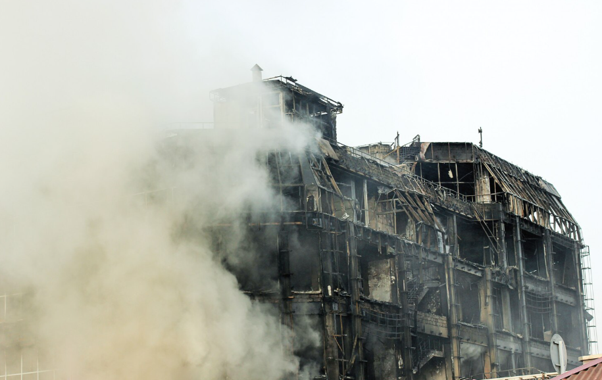
A house fire can change the condition of a property within minutes. Even when flames are contained to one room, heat, smoke, soot, and water used during firefighting can affect areas far beyond the original fire. For Dallas homeowners, the period immediately after the incident is therefore about more than cleaning visible damage.
Knowing what to do and what not to do can help protect people, prevent avoidable secondary damage, and make the recovery process easier to manage. Professional fire damage restoration Dallas TX services may address everything from initial assessment and property stabilization to smoke cleanup and repairs, but homeowners also have several important steps to take from the beginning.
Wait Until the Property Is Safe to Enter
Never assume a building is safe simply because the flames have been extinguished. Fire can weaken ceilings, floors, stairs, walls, and roofing materials. Electrical systems may also have been damaged, while standing water can introduce additional hazards.
Wait for clearance from the appropriate fire or safety authorities before entering. Even after permission is given, avoid areas that appear unstable. Retrieving belongings should come after personal safety, particularly when structural damage is visible.
Contact Your Insurance Provider
Once everyone is safe, notify your insurance company about the loss as soon as reasonably possible. Ask what documentation is required, whether an adjuster will inspect the property, and what immediate protective measures are covered under the policy.
Avoid disposing of damaged belongings before documenting them unless they create an immediate health or safety concern. Photographs and videos of affected rooms, furniture, appliances, and structural surfaces can help create a clearer record of the property’s post-fire condition.
Keep receipts for necessary expenses related to the incident as well. Depending on the policy, some temporary accommodation, emergency work, or other costs may be relevant to the claim.
Protect the Property from Further Damage
A fire can leave windows broken, doors damaged, and sections of the roof exposed. These openings can allow rain, wind, animals, or unauthorized people into the property, potentially adding to the original damage.
Temporary measures such as boarding openings or covering damaged roof areas may be needed. This work should be handled carefully, particularly where structural stability is uncertain.
Prompt stabilization is important because restoration is not limited to repairing what the fire directly damaged. It also involves reducing the chance that an already vulnerable building develops additional problems while permanent repairs are being planned.
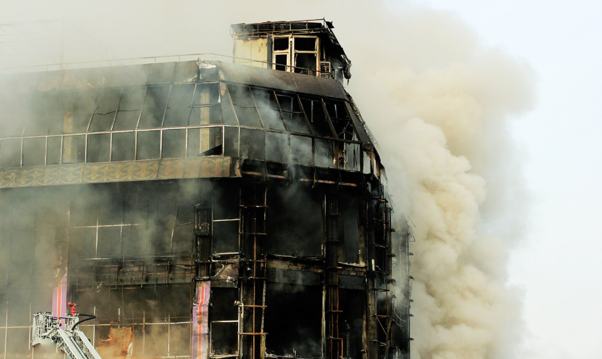
Understand That Water Damage May Also Be Present
Water is an easily overlooked consequence of many fires. Firefighting efforts can leave flooring, drywall, insulation, furniture, and other materials saturated. If moisture remains trapped, it may contribute to deterioration or microbial growth.
Restoration professionals may inspect affected areas with moisture-detection equipment and determine which materials can be dried and which require removal. Depending on conditions, extraction equipment, air movers, and dehumidifiers may be used during the drying process.
Addressing moisture early can prevent fire recovery from becoming a separate water-damage problem.
Do Not Treat Soot Like Ordinary Dust
Black residue on walls and furniture may look like something that can simply be wiped away, but soot requires more careful treatment. Using an unsuitable cleaning method can smear residue or push contamination farther into porous surfaces.
Smoke particles may settle on ceilings, walls, flooring, upholstery, cabinets, and belongings. Smoke can also move through openings and HVAC pathways, meaning rooms without obvious flame damage may still require inspection.
Different materials require different cleaning techniques. For that reason, extensive soot contamination is generally better assessed before aggressive DIY cleaning begins.
Address Smoke Odours at Their Source
Spraying air freshener over smoke odour does not remove the material producing the smell. Smoke residues can settle into carpet, fabrics, drywall, wood, insulation, and other porous materials.
Effective deodorization usually begins with removing damaged materials that cannot be restored and thoroughly cleaning salvageable surfaces. Additional deodorization techniques may then be considered according to the affected materials and the severity of contamination.
This source-focused approach is important because smoke odours can return when residues remain hidden within the property.
Decide What Can Be Restored
Not everything exposed to a fire automatically needs to be discarded. Some furniture, household objects, textiles, and building materials may be suitable for cleaning or restoration depending on the level of heat, smoke, soot, and water exposure.
Other materials may be too severely damaged to retain safely or economically. Careful documentation and assessment can help determine which items are salvageable.
Homeowners should also be cautious with food, medicine, cosmetics, and similar products that may have been exposed to heat, smoke, firefighting water, or contaminants.
Move From Cleanup to Reconstruction
After debris, water, soot, and damaged materials have been addressed, the property can move toward repair. The extent of reconstruction varies considerably. One home may need drywall replacement and repainting, while another may require roofing, flooring, electrical work, cabinetry, or structural repairs.
A clear scope of work helps homeowners understand which repairs are necessary and in what order they should happen. It can also make communication between restoration professionals, contractors, and insurance representatives easier.
Conclusion
Recovering after a Dallas house fire is a staged process rather than a single cleanup job. Safety comes first, followed by documentation, property stabilization, moisture management, soot and smoke treatment, and appropriate repairs.
Homeowners should avoid rushing into damaged areas or attempting extensive cleanup without understanding the risks. A careful, organized response can help prevent additional damage, preserve useful documentation, and create a clearer path from the initial emergency to a safe and properly restored home.