
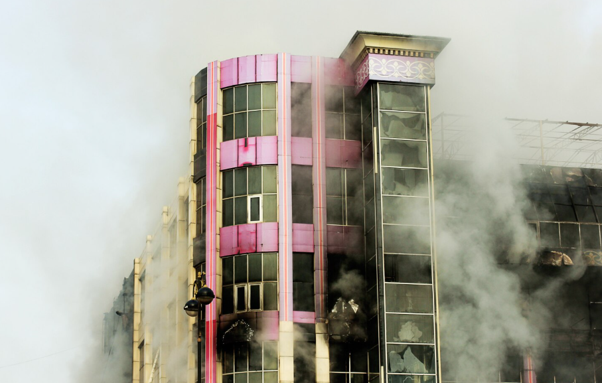
Fire or sudden water damage can leave a property owner facing several decisions at once. A burst pipe may send water across multiple rooms, while a fire can leave behind structural damage, smoke, soot, and water from firefighting efforts. During these first moments, it is natural to want to start cleaning immediately.
However, the safest response is not always the fastest-looking one. Before an emergency restoration DFW team arrives, property owners should concentrate on personal safety, stopping additional damage when it can be done safely, and documenting the situation. Attempting major cleanup without understanding the hazards can create additional problems.
Make Personal Safety the First Priority
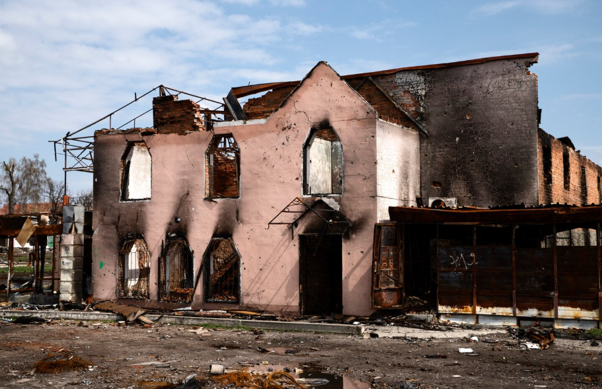
Before thinking about furniture, flooring, or other belongings, determine whether the property is safe to occupy. Fire can weaken walls, ceilings, stairs, and roofing materials. Water may come into contact with electrical wiring, outlets, or appliances.
If authorities have instructed occupants to remain outside, do not re-enter until permission is given. Likewise, avoid rooms where ceilings are sagging, floors appear unstable, or standing water may be electrically energized.
Children and pets should also be kept away from affected areas. Restricting access reduces the risk of accidental contact with contaminated water, sharp debris, soot, or unstable materials.
Stop the Source of Water When Safe
When water damage comes from a burst supply line, leaking fixture, or appliance, shutting off the appropriate water valve may prevent the situation from getting worse. If the source cannot be identified or reached safely, wait for qualified help.
Never enter standing water to reach a valve when electrical hazards may be present. Water associated with sewage backups or outdoor flooding also requires greater caution because it may contain contaminants.
Stopping additional water is useful, but it should never require taking an unnecessary personal risk.
Avoid Using Electrical Equipment in Wet Areas
Plugging in a household vacuum, fan, extension cord, or other electrical device in a wet area can be dangerous. Even if the electricity appears to be functioning normally, moisture may have reached wiring or components that are not visible.
Do not handle wet electrical appliances or attempt to switch equipment on to see whether it still works. An appropriate professional should evaluate electrical concerns where significant water or fire damage has occurred.
If power must be disconnected, do so only when the electrical panel can be reached without entering a hazardous area and you can operate it safely.
Document the Damage Before Moving Items
If the property is safe enough to enter, take photographs and videos before making substantial changes. Capture entire rooms first and then photograph individual damaged items and affected building materials.
Documentation can provide a useful record when communicating with insurance representatives and restoration professionals. Make notes about when the incident was discovered and, if known, where the water or fire originated.
Do not discard damaged belongings immediately unless leaving them in place creates a safety or health concern. Your insurer may have specific instructions regarding documentation and disposal.
Be Careful With Smoke and Soot
After a fire, soot may cover walls, furniture, floors, and personal belongings. It can be tempting to wipe these surfaces with ordinary household cleaners, but unsuitable methods can spread residue or make staining more difficult to remove.
Avoid touching soot-covered surfaces unnecessarily. Do not switch on an HVAC system that was operating during the fire unless it has been appropriately evaluated, as smoke residue may have entered parts of the system.
Strong smoke odours should not simply be covered with fragrances. Effective treatment generally involves addressing the residues responsible for the odour.
Move Unaffected Items Only When Practical
If a water incident is limited to one area and conditions are safe, moving dry belongings away from the affected space can help protect them. Lightweight furniture, documents, textiles, or electronics that have not been exposed may be relocated to a dry room.
Do not attempt to lift heavy waterlogged furniture or unstable objects. Wet materials can weigh considerably more than expected, increasing the risk of injury.
In a fire-damaged property, avoid moving through questionable structural areas simply to retrieve belongings. Personal possessions can wait when access is unsafe.
Do Not Assume a Surface Is Dry
Removing a puddle does not mean the moisture problem has been solved. Water can move beneath flooring, behind baseboards, into drywall, and through insulation. These hidden areas may remain damp long after visible water disappears.
Professionals may use moisture-detection equipment to determine how far water has travelled and which materials require drying or removal. Air movement and dehumidification can then be planned according to the conditions.
Avoid covering damp areas with rugs, new flooring, paint, or other finishes while waiting for a proper assessment.
Contact Your Insurance Provider
Notify your insurer as soon as reasonably possible and ask what immediate actions are expected under your policy. Coverage and claim procedures vary, so avoid making assumptions about what will be reimbursed.
Keep receipts for necessary emergency expenses and temporary protective work. Record important conversations, claim numbers, and instructions you receive.
Organized records can reduce confusion later, particularly when restoration involves several stages or different contractors.
Prepare Useful Information for the Restoration Team
When help arrives, being able to explain what happened can speed up the initial assessment. Share when you first noticed the problem, what you believe caused it, which areas were affected, and whether utilities have been shut off.
Mention any rooms where water travelled, smoke was noticeable, or ceilings and floors changed appearance. Even details that seem minor can help professionals understand the extent of the incident.
The restoration team can then assess conditions and establish priorities for stabilization, extraction, drying, cleaning, or other necessary work.
Conclusion
The period before restoration professionals arrive is best used to protect people and prevent avoidable additional damage. Stay away from structural and electrical hazards, control the water source only when safe, document affected areas, and avoid aggressive cleaning of smoke or soot.
Trying to complete the restoration yourself during an emergency can create unnecessary risks. A measured response gives professionals a clearer starting point and helps ensure that visible damage, hidden moisture, contamination, and other concerns can be properly evaluated before repairs begin.