
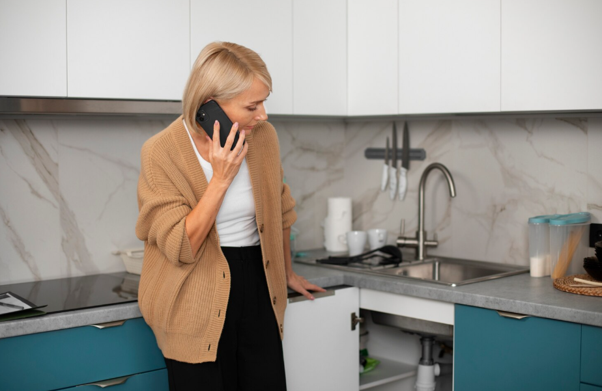
Water damage can turn a functional bathroom into a serious home improvement concern. Leaking pipes, damaged shower seals, overflowing fixtures, and hidden moisture can weaken important structural materials before visible signs appear. Although selecting new tiles, vanities, and fixtures may seem like the natural starting point, successful bathroom restoration requires a different approach. We must first identify the source of moisture, assess the damage, and address underlying problems. Careful preparation helps homeowners create a safer, more durable bathroom without allowing unresolved water damage to compromise the finished space.
Find the Moisture Source First
Before starting a bathroom remodel after water damage, we need to understand exactly where the water came from. A leaking supply line requires a different repair strategy than a failed shower waterproofing system or an overflowing bathtub.
We should examine plumbing connections, shower enclosures, flooring edges, and areas surrounding toilets and sinks. Water can travel behind walls or underneath finished surfaces, making the original source difficult to identify.
A qualified plumber or restoration professional can help locate concealed leaks. Correcting the moisture source before reconstruction prevents the same problem from damaging newly installed materials.
Inspect Hidden Structural Damage
Bathroom walls and floors can conceal significant moisture damage, especially when water has remained trapped for an extended period. Materials that appear intact from the outside may have weakened underneath.
We should carefully inspect subflooring, wall framing, drywall, and surrounding structural components. Soft flooring, swollen wood, peeling finishes, and persistent discoloration can indicate deeper problems.
Damaged materials must be evaluated before deciding whether repair or replacement is appropriate. Structural concerns should be addressed by qualified professionals to ensure the bathroom can safely support its new fixtures and finishes.
Remove Unsalvageable Building Materials
Not every water-damaged surface needs replacement, but certain materials may become unsuitable for continued use after prolonged moisture exposure.
Waterlogged drywall, deteriorated insulation, damaged particleboard cabinetry, and weakened flooring often require removal. The extent of replacement depends on the type of water involved, exposure duration, material condition, and contamination.
We should avoid covering damaged surfaces with fresh tiles or decorative panels. Removing unsalvageable materials exposes hidden problems and creates a more reliable foundation for rebuilding the bathroom.
Professional evaluation is particularly important when sewage or potentially contaminated water has entered the space.
Dry and Treat Affected Areas
Drying is one of the most important stages of bathroom restoration. Even after visible water disappears, moisture may remain inside building cavities or beneath flooring.
Restoration specialists may use commercial dehumidifiers, air movers, and moisture measurement equipment to monitor drying progress. The drying approach should account for material conditions and any contamination concerns.
We must also check for visible mold growth or persistent musty odors. Where mold is present, appropriate remediation may be necessary before reconstruction begins.
Installing new finishes over damp materials can lead to recurring damage, unpleasant odors, and costly repairs.
Repair Plumbing and Waterproofing
Once damaged areas are accessible and adequately dried, we can focus on correcting the systems that protect the bathroom against future leaks.
Several important improvements deserve attention:
- Inspect and repair damaged supply and drain connections.
- Replace failing shower waterproofing membranes.
- Check plumbing penetrations and fixture seals.
- Repair deteriorated subflooring around wet areas.
- Confirm that shower floors drain correctly.
- Test repaired plumbing connections before closing walls.
Waterproofing deserves particular attention around showers, tubs, and other frequently wet surfaces. Tile and grout alone do not create a complete waterproofing system.
These repairs help protect the bathroom long after the remodeling project is finished.
Check Electrical and Ventilation Systems
Water damage can affect more than plumbing and building materials. Electrical outlets, lighting fixtures, exhaust fans, and concealed wiring may also be exposed to moisture.
We should arrange an electrical inspection whenever water has reached electrical components. Damaged equipment may require replacement, and any necessary upgrades should follow applicable local electrical codes.
Ventilation also plays an essential role in long-term bathroom maintenance. An appropriately sized exhaust fan that vents outdoors can help manage humidity during showers and baths.
Improving airflow reduces prolonged dampness and helps preserve newly installed surfaces.
Choose Durable Bathroom Finishes
After completing essential repairs, we can begin selecting materials that complement the bathroom while meeting its practical requirements.
Porcelain tiles, suitable moisture-resistant cabinetry, and properly installed waterproof shower systems can provide dependable performance. Material selection should reflect each surface’s exposure to water rather than appearance alone.
We should also consider slip resistance, cleaning requirements, maintenance needs, and compatibility with existing plumbing fixtures.
Choosing attractive products is important, but installation quality and the condition of the underlying structure ultimately influence how well those finishes perform.
Plan the Remodeling Budget Carefully
Water damage sometimes reveals additional problems once walls or flooring are opened. This makes financial planning particularly important.
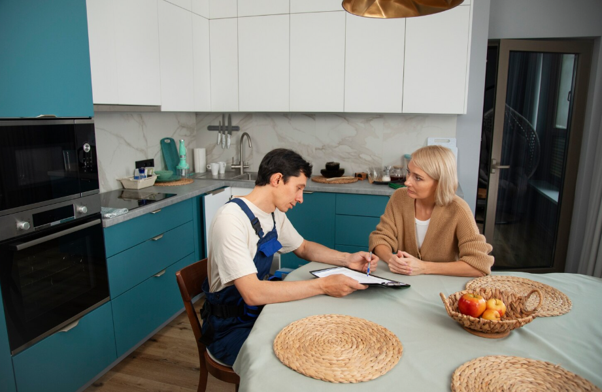
We should obtain a detailed estimate covering moisture remediation, structural repairs, plumbing, electrical work, waterproofing, and finishing materials. Separating essential restoration costs from optional upgrades helps establish priorities.
A reasonable contingency allowance can provide flexibility if hidden damage is discovered during reconstruction.
Homeowners should also document damage and review their insurance coverage before beginning major repairs, especially when a claim may apply.
Conclusion: Build on a Dry Foundation
A successful bathroom renovation begins with dependable repairs rather than decorative choices. Identifying leaks, removing damaged materials, completing proper drying, and restoring essential systems creates a safer foundation for improvements. We should treat waterproofing, ventilation, and structural stability as priorities throughout the project. With careful planning and qualified professional support, homeowners can transform a damaged bathroom into a comfortable, attractive, and durable space designed to withstand everyday moisture exposure.