Protect the Claim. Protect the Property. Protect Your Time. | DFW Restorations Enterprise
A flooded kitchen. Smoke creeping into the walls. A roof ripped open after a storm.
Most property owners start the same way: file an insurance claim, feel rushed, then realize the hardest part comes next—
Choosing the right restoration company.
One bad choice can slow the claim, shrink the payout, or leave the rebuild half-done with gaps no one takes responsibility for.
This guide shows you how to choose an insurance-approved restoration company in Dallas–Fort Worth that protects the claim and delivers a clean, accountable recovery—without shortcuts, confusion, or costly mistakes.
What “Insurance-Approved” Actually Means in DFW
“Insurance-approved” isn’t a marketing phrase.
It means the company can operate inside the insurance claim system—accurately, professionally, and consistently.
Insurance-aligned restoration companies typically:
Use carrier-recognized estimating and pricing standards
Document damage in formats adjusters accept
Separate mitigation vs. rebuild costs correctly
Communicate directly with adjusters without drama
Support supplements when hidden damage is discovered
When a contractor is not aligned with that system, claims often stall and homeowners get stuck covering costs that should have been insured.
Start With the Claim Standards—Not Just “Restoration Near Me”
Most people search “restoration company near me” and hope reviews tell the story.
A smarter approach starts with the claim itself.
Once your claim is opened, ask your adjuster:
What documentation is required for approval?
What certifications do you expect from the contractor?
What pricing standard will you use to evaluate the scope?
What timelines are considered “reasonable” for mitigation and rebuild?
Those answers become your benchmark.
The right DFW restoration company won’t dodge those standards.
They’ll already be operating in them.
The Non-Negotiable Qualifications Checklist
If you want a restoration company that protects your claim in Dallas–Fort Worth, these are not optional.
1) Verifiable Licensing + Insurance Coverage
A legitimate restoration firm should have:
General liability insurance
Workers’ compensation coverage
Proper licensing (as applicable in Texas/local jurisdictions)
Insurance carriers regularly push back on invoices from contractors with unclear or non-verifiable coverage.
2) Industry Certifications That Actually Matter
Look for certifications tied to the type of damage:
Water mitigation
Fire and smoke restoration
Mold remediation and containment
Storm and structural stabilization
Training matters. Documentation depends on it.
3) Insurance-Grade Documentation Ability
Restoration is not just labor. It’s paperwork-backed accountability.
A professional company should provide:
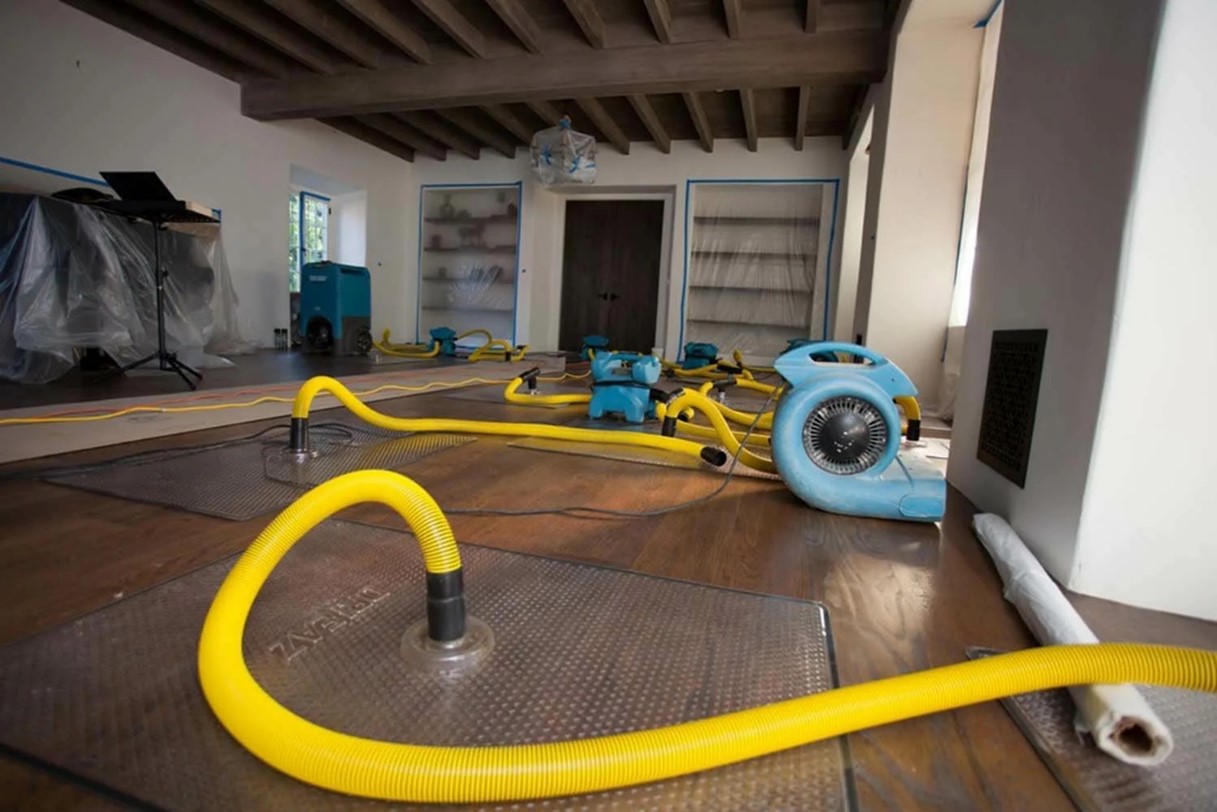
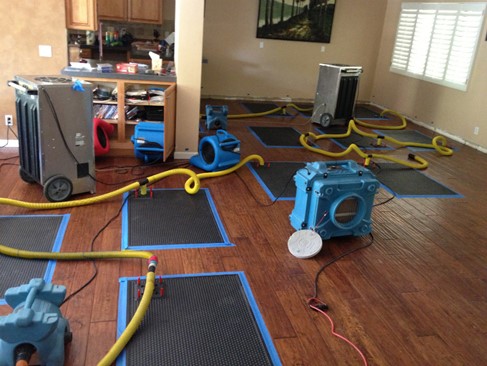
Photo documentation and moisture mapping
Drying logs and equipment tracking
Line-item estimates that match insurer review standards
Clear separation between mitigation and reconstruction
Without this, claims weaken fast.
4) Transparent Pricing and Scope
Insurance pricing follows regional databases and standard line items.
A contractor who refuses to explain pricing or pushes lump-sum numbers often creates friction with adjusters—then homeowners get caught in the middle.
A real pro provides:
Written scope of work
Clear line items
Justified drying days/equipment usage
Documented supplements when hidden damage appears
The Red Flags That Quietly Cost You Thousands
Bad contractors rarely look “bad” at first. They sound confident—until the claim starts slipping.
Watch out for:
Guarantees of “full approval” or “we’ll get you everything”
Pressure to sign before a full inspection
No written scope of work
Refusal to coordinate directly with the adjuster
Verbal promises instead of documented timelines
Unclear separation between emergency work and rebuild work
These patterns trigger insurance scrutiny and delays.
Why Local DFW Claim Experience Changes Everything
Restoration is regional.
Pricing benchmarks, building styles, storm patterns, and claim behaviors vary by market. Dallas–Fort Worth is its own environment.
A local, insurance-aligned restoration company understands:
DFW pricing expectations and standard line items
Local inspection and code requirements
Common coverage disputes that arise in North Texas
Typical claim timelines and how to keep them moving
That local experience reduces friction at every step.
Questions That Separate Pros from Pretenders
Before signing anything, ask these questions directly:
How do you document damage for insurance approval?
Which estimating/pricing system do you use?
Will you coordinate directly with my adjuster?
How do you handle supplements when hidden damage is found?
How do you separate mitigation from reconstruction costs?
What does communication cadence look like (daily logs, weekly updates)?
A real restoration company answers fast and clearly.
Hesitation is a warning sign.
Why This Approach Works
Most restoration websites sell speed and equipment.
Very few explain how to protect the insurance claim.
That gap leaves property owners guessing—and guessing gets expensive.
This checklist does three things:
Helps you choose a company built for insurance approval
Filters out low-quality operators quietly and quickly
Protects your claim before protecting the walls
Insurance Claims Move Faster When Process Aligns
Choosing an insurance-approved restoration company is not about luck.
It’s about alignment with insurance systems, documentation standards, and real claim execution.
Ask better questions. Demand proof. Get everything in writing.
When documentation, scope accuracy, and adjuster coordination are handled correctly, claims move faster, payouts are cleaner, and recovery becomes predictable.
For property owners across Dallas–Fort Worth who want that level of control, DFW Restorations Enterprise delivers restoration built around insurance approval—not guesswork.
📞 24/7 Live Dispatch Across DFW
One call. One scope. One accountable team.